

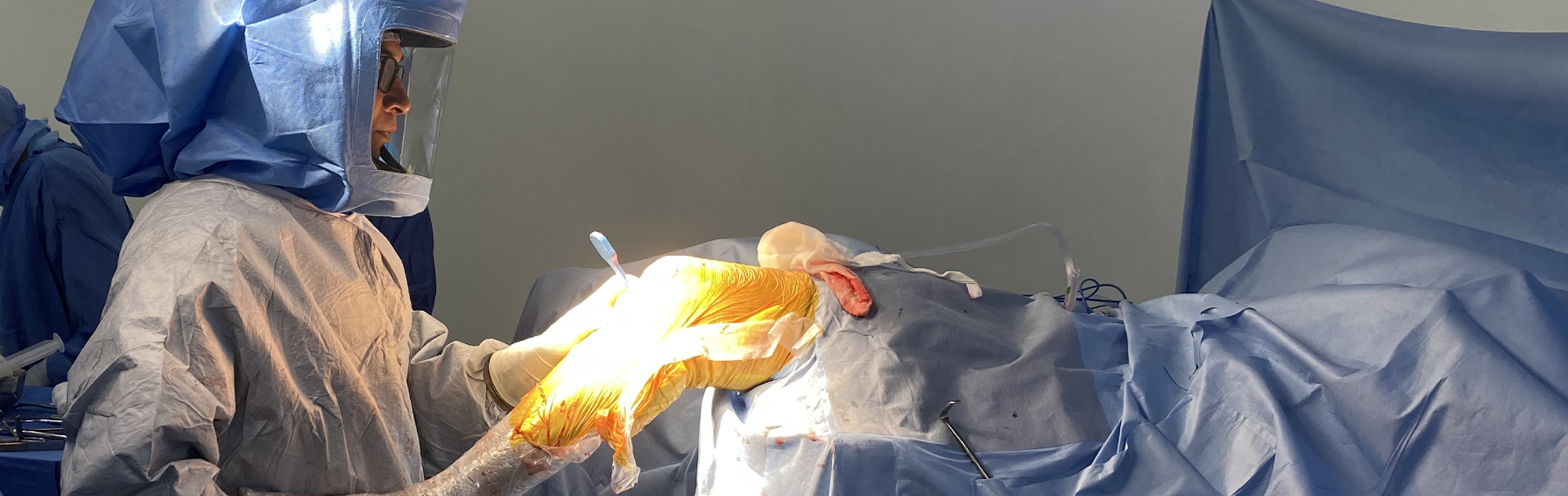
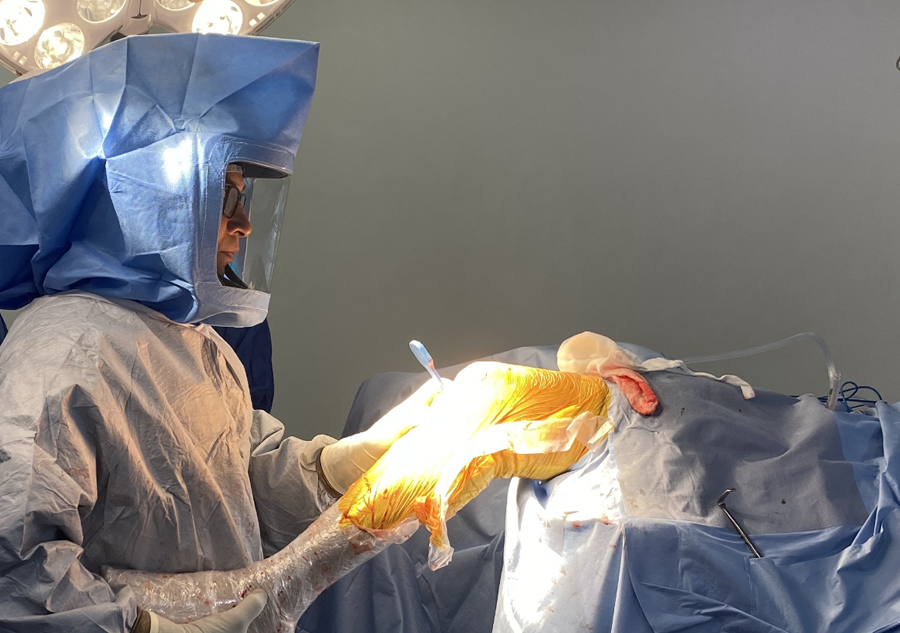
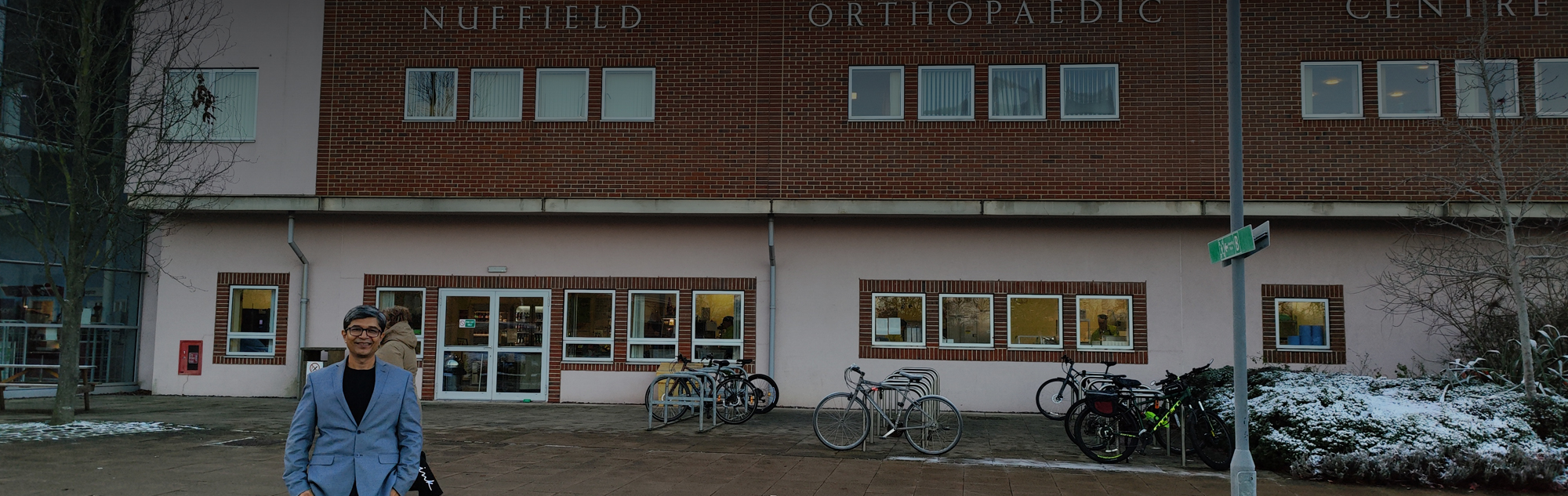
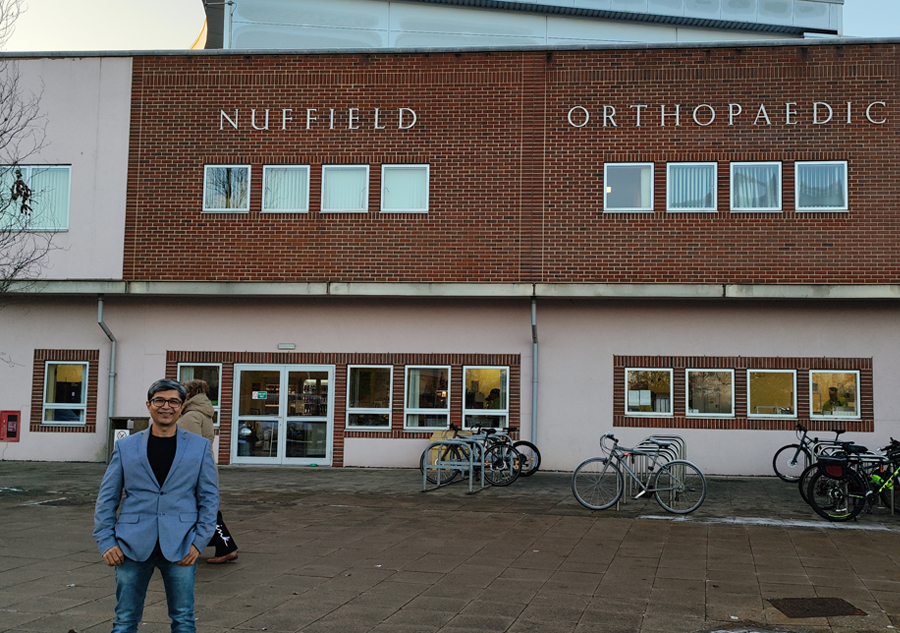
Dr. Sanket Diwanji got interested in partial knee replacement surgery during his fellowship in Canada. He did his first Oxford Partial Knee Course in 2012 and started performing partial knees.
Read More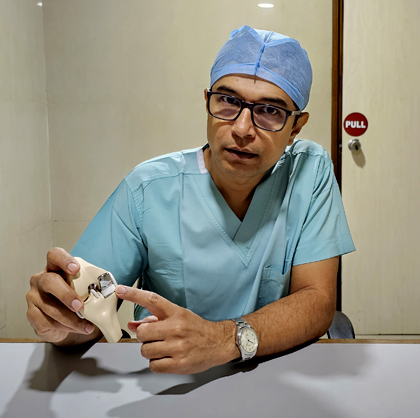
In majority of patients, degeneration of cartilage starts from inner (medial) compartment of knee joint. Advanced osteoarthritis that is limited to a single compartment may be treated with a unicompartmental or partial knee replacement.
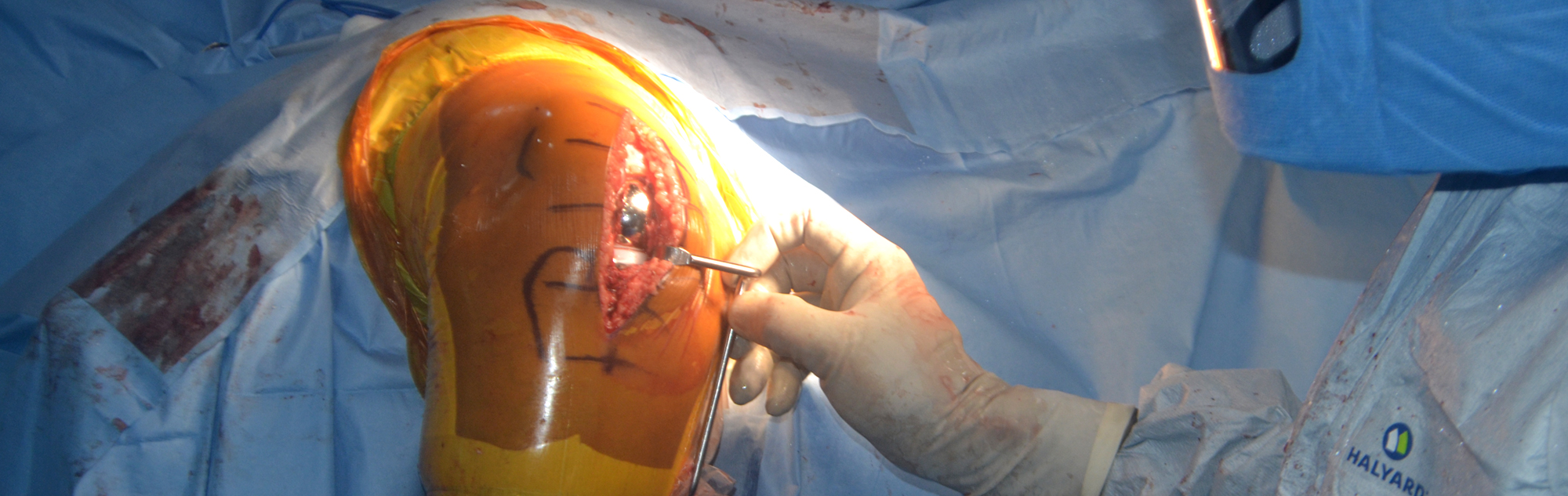
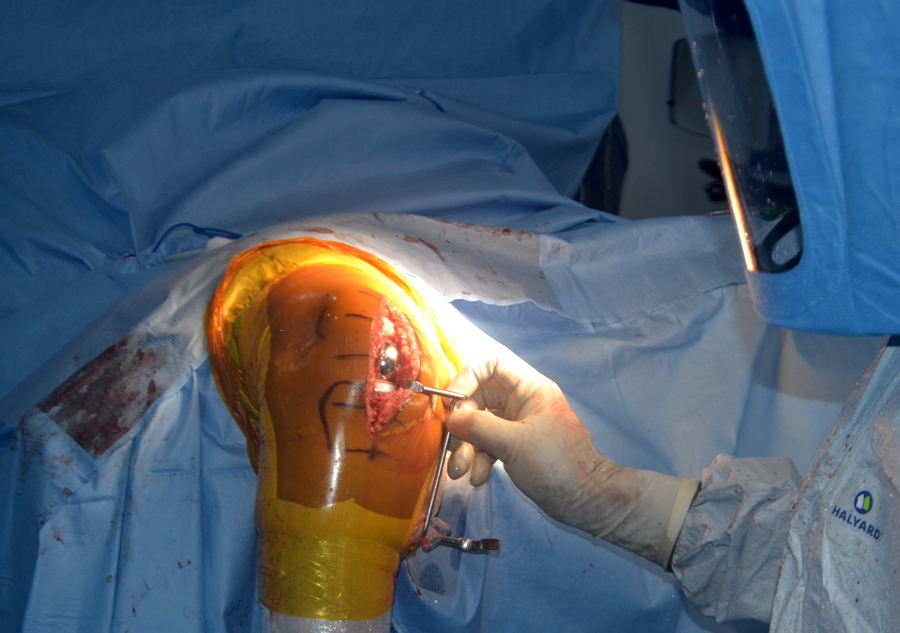
In partial knee replacement, only one compartment of knee is resurfaced. This can be done through minimally invasive muscle sparing approach.
Patients experiencing knee symptoms limited to predominantly one compartment are good candidates for partial knee replacement.
Partial knee is performed under sterile conditions in the operating theatre. You will be anaesthetised so that you don't experience any pain or discomfort during the operation.
Are there any age restrictions for getting partial knee replacement surgery?
There is no upper or lower age limit for partial knee replacement.
Is partial knee replacement painful?
All surgeries result in some pain. While pain after partial knee replacement varies by patient, typically patients experience less pain and stiffness following partial knee replacement than they do after total knee replacement.
Will I be able to return to playing sports after my partial knee replacement?
Although not all patients are able to return to unrestricted sports activity, most patients are able to resume biking, golf, tennis and skiing.